Land, planning, power: what makes a data centre site investable
Many proposed data centre sites never get built. The ones that do usually got three things right early. Here is how we qualify a site before anyone commits capital.
Data centres, 5 minute read, 3 November 2026
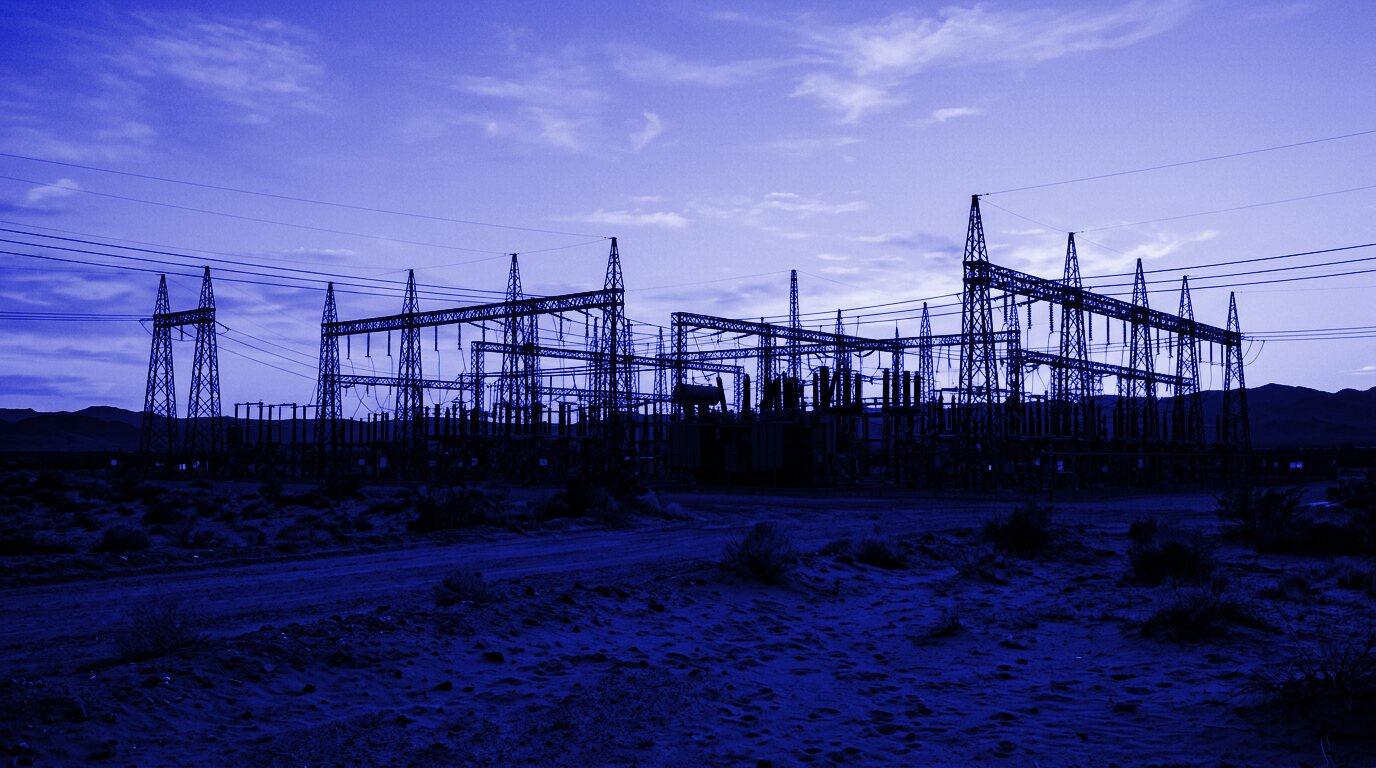
Demand for data centre capacity, driven hard by AI, has turned land near power into one of the most sought-after assets in infrastructure. It has also produced a long list of sites that look promising on a map and fall apart under scrutiny.
Before we take a site to investors, operators or off-takers, we test it against three questions. If any one of them has no good answer, the site isn't ready, however attractive the price.
1. Can the land actually be secured?
It sounds basic, but ownership is where many projects stall. Titles can be split between several owners, encumbered by rights of way or tied up in family or estate disputes. Options can lapse. A site needs a clear, documented route to control before anything else is worth spending money on.
- Who owns the land today, and is the title clean?
- Is there an option, lease or sale agreement in place, and on what terms?
- Are there easements, covenants or neighbouring rights that limit the build?
2. Is there a credible path to planning consent?
Planning rules differ by country, region and even municipality. Some locations actively welcome digital infrastructure; others face local opposition over noise, water use or visual impact. Knowing where an application stands, and how similar applications have fared nearby, tells you a lot about timeline risk.
- Is the land zoned for this use, or will it need a change?
- Has an application been submitted, and what stage is it at?
- What have local authorities decided on comparable projects?
3. Is there power, and when?
Power is now the deciding factor for most data centre projects. A site with land and planning but no realistic grid connection is a site without a project. What matters is not just the headline capacity, but the connection route, the cost to connect and the date the power can actually be delivered.
- How much capacity is available, and is it firm or interruptible?
- Is there a connection offer or agreement, or only an enquiry?
- What upgrades are needed, who pays for them and how long will they take?
Then the factors that shape value
Once land, planning and power check out, other factors decide what the site is worth and who will want it. Proximity to fibre routes and interconnection points matters for latency-sensitive workloads. Climate and water availability shape the cooling design. And, above all, a site is worth most when there is a credible party ready to lease or buy the capacity.
Why qualify early
Every month spent on a site that can't be built is capital and attention that could have gone elsewhere. Qualifying early means investors see fewer, better opportunities, landowners understand what their land is worth, and operators can move quickly when the right site appears.
If you hold land or are weighing a site, our free site readiness check gives you a quick first view. For a full assessment, talk to us.